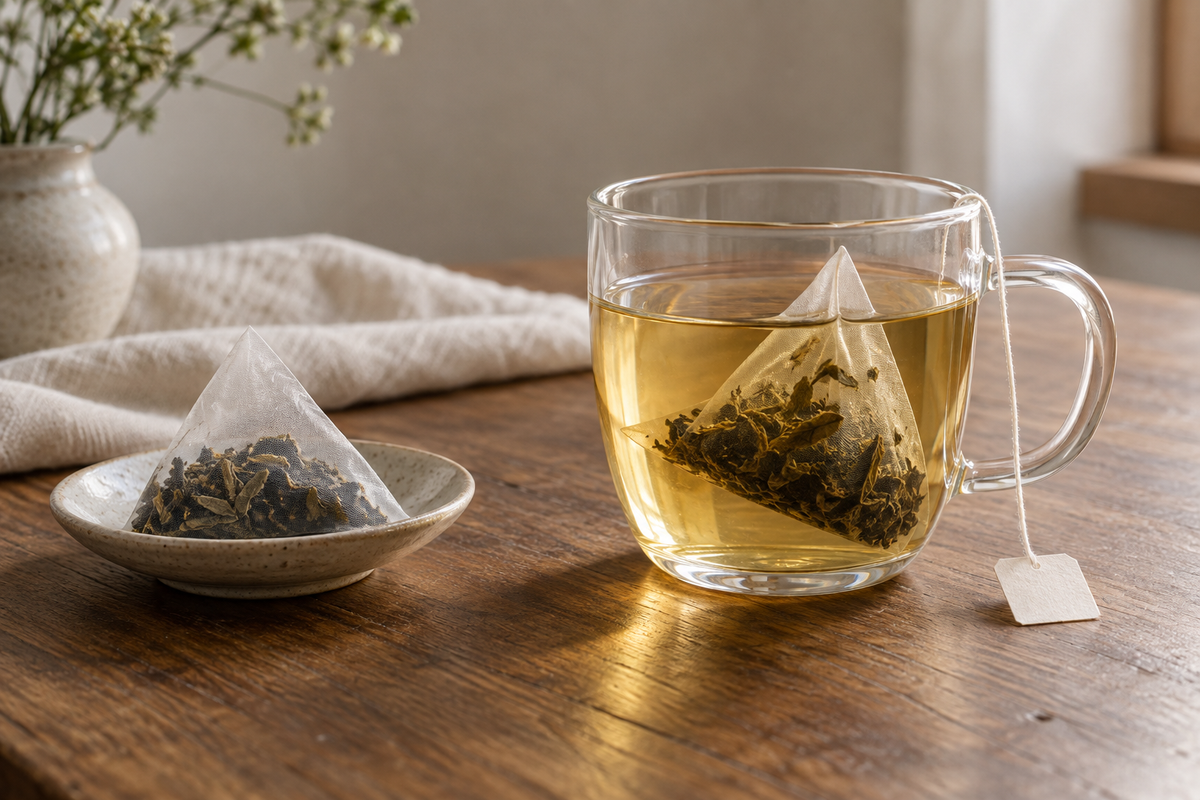
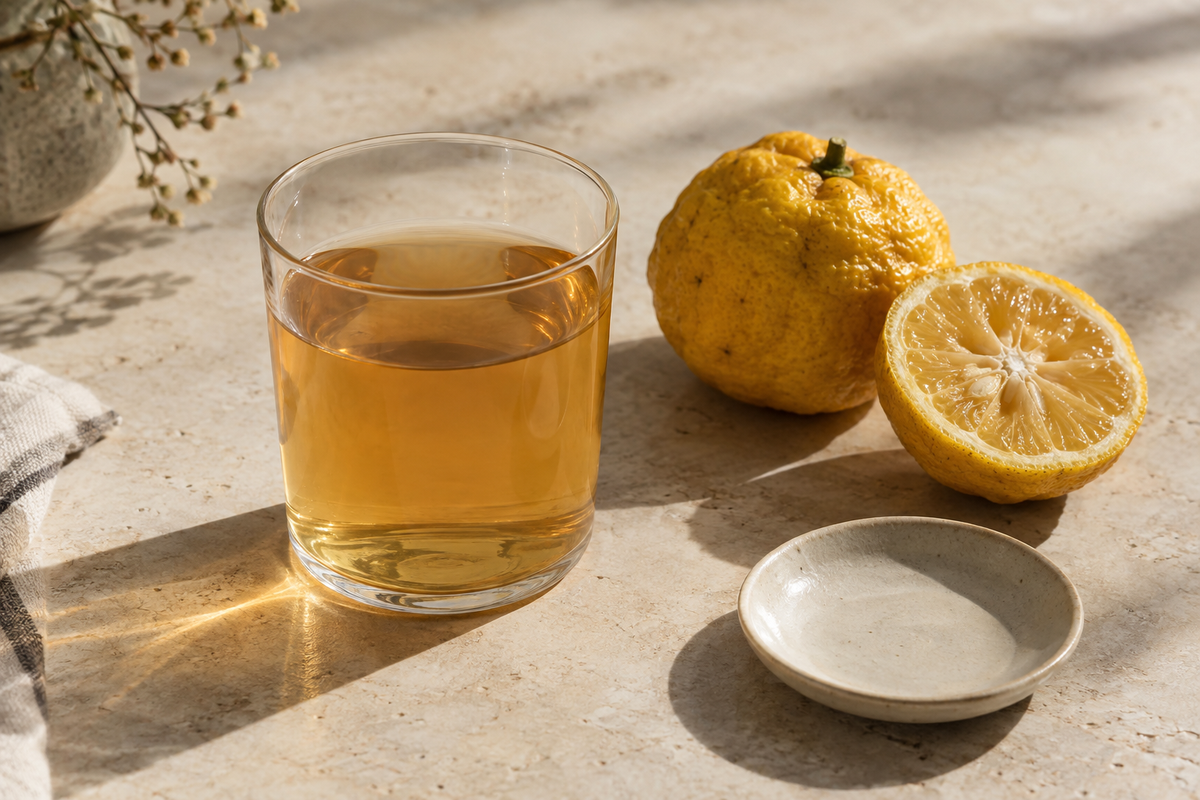
Start with what you already enjoy drinking, then choose a preparation format you can use easily. A useful first purchase is a tea whose ingredients, amount and instructions you understand—not simply the most expensive pack or the one with the longest description.
Describe the drink you want
Use ordinary sensory words: plain or flavoured, light or full, floral, citrus-led or roasted. These words help you compare descriptions, but they are not a promise that you will experience every note in exactly the same way.
If you want to understand the character of the tea itself, a product with a short ingredient list makes that comparison more straightforward. If you enjoy flavoured drinks, read how the flavour is supplied instead of assuming that the picture on the front shows every ingredient.
Separate tea from other infusions
A name that includes “tea” can refer to a tea-leaf product or to another kind of infusion. The ingredient list resolves that ambiguity. This matters when comparing preparation, flavour and caffeine information. Do not use the name or colour of the drink as evidence that it contains no caffeine.
When caffeine matters to your choice, look for product-specific information. Missing information is not the same as zero. A blend may combine ingredients that you would assess differently on their own.
Choose a format before a large pack
Loose leaf asks you to measure a portion and separate it after brewing. Tea bags supply a portion, while the intended water volume still comes from the directions. Powders vary in composition and mixing method. Choose the preparation that fits the tools and time you have.
For a first comparison, it is usually easier to change one thing at a time. Trying a different tea in a familiar format gives you a clearer basis for deciding what you like than changing the tea, recipe and equipment together.
Read the maker’s description carefully
Distinguish a maker's history from the details of a specific pack. OSULLOC’s history is connected with tea cultivation on Jeju from 1979. That history is useful context, but the origin and ingredients of each blend must still be checked individually.
Similarly, a tasting note is a description of flavour and aroma. It is not an ingredient list. A tea described as nutty does not necessarily contain nuts; allergen information must be checked separately. Never infer an allergen declaration from sensory language.
Make the price comparison fair
Write down the exact product name, total net weight and number of units. A 40 g pouch, a box of ten bags and a two-pack are not directly comparable by their headline prices. Include delivery when comparing the actual cost of the basket.
A small pack can be a sensible first purchase even when its unit price is higher. The question is how much you want to try, not whether the largest pack wins every comparison. Avoid buying an assortment without checking all of its contents.
Keep the first preparation simple
Follow the pack's instructions. Note the portion, water and infusion time so you can repeat it. Taste when comfortably cooled. If you want a different result next time, change one variable and write down what changed.
You do not need to memorise a whole grading system before making your first cup. Our everyday preparation article gives you a repeatable starting routine, and our format guide compares the practical choices.
A final check before ordering
Confirm the exact pack, ingredients, allergens, preparation, storage and delivery details. If an essential detail is missing, ask before ordering. Choose on what is documented for the product, and let your own experience of the first cup guide the next choice.
Maker reference
Amorepacific: OSULLOC. General buying criteria above are Seoul Rituals editorial guidance.
By Seoul Rituals editorial team. Updated 13 September 2026.